


Choosing the right Heating and Cooling Systems for a Melbourne brick veneer home

From what I've seen, Melbourne’s winter can swing from mild to bitterly cold, especially in the inner‑city suburbs where brick veneer houses dominate. In my experience the first thing to check is the level of brick veneer insulation; if the wall cavity is well‑filled, a reverse‑cycle air conditioner can handle both heating and cooling systems without needing a separate gas furnace.
You know? what typically happens is that homeowners install a single‑speed unit and then complain about uneven temperatures – the thing is, a brick veneer home often has thermal bridges at window jambs and roof eaves, so a system with variable‑speed compressors and multi‑zone capability delivers a more consistent indoor climate.
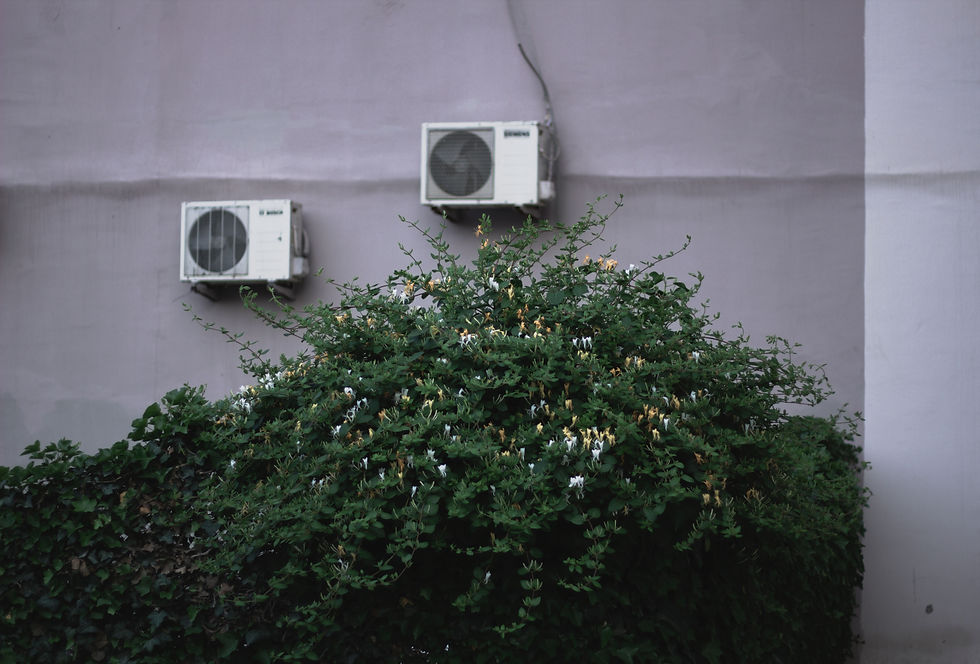
I've noticed that a good rule of thumb for Melbourne is to pair a reverse‑cycle AC with a modestly sized water‑heater‑backed heating coil. That way you get the quick heat boost of a gas ducted system when the temperature drops below 5 °C, while still keeping the overall energy use down. When you compare options, look for units that advertise “zoned heating and cooling systems” – they let you set different temperatures on each floor or even each major room, which is a perfect fit for a two‑storey brick veneer where the upstairs can be noticeably cooler.
Common causes of duct leakage in Sydney homes & how to fix them
In my experience, Sydney’s coastal climate means homes are often built with weather‑tight sealing but the ductwork can still develop leaks over time what typically happens is that the metal or flexible ducts attached to a gas ducted heating system become loose at joints especially around corners where the duct runs through walls. The thing is those leaks not a loss of up to 30 % of the heating or cooling output which makes the system work harder & raises your electricity bill.
I've noticed three main culprits:
poorly sealed connections
aging insulation that has become brittle
damage from pests or accidental impacts during renovations
To fix them, start by sealing every joint with a high‑quality foil‑backed duct tape or mastic. Next, wrap the exposed duct runs with new insulation that matches the local climate – Sydney’s moderate winter doesn’t need the thickest insulation, but a good R‑value helps keep the reverse‑ the air conditioner running efficiently. Finally, inspect the duct for any physical damage and replace sections that are cracked or corroded.
Improving insulation for better heating and cooling system performance in Brisbane weatherboard houses...
From what I've seen, Brisbane’s humidity & summer heat put a lot of strain on weatherboard homes. In my experience the biggest boost comes from treating the walls and roof as a single thermal envelope. What typically happens is that homeowners only add insulation to the ceiling leaving the weatherboard walls under‑insulated so the reverse‑cycle air conditioner has to work overtime to keep the indoor temperature comfortable.
The thing is, installing cavity fill or reflective foil behind the weatherboard can dramatically improve the thermal performance of the entire house. I've noticed that a combination of roof insulation and a modest upgrade to the wall cavity – often a blown‑in cellulose or foam board – reduces the load on both heating and cooling system. When you choose a system, look for a unit that can handle the higher latent load that comes with Brisbane’s humidity, and make sure the insulation is sealed tightly around windows and doors to prevent drafts.
Zoning options that work best for a Perth slab house with a reverse‑cycle AC
In my experience, a slab‑on‑ground house in Perth faces hot summers and cool winters, with a lot of sun exposure on the north side. To be honest, what typically happens is that a single‑zone reverse‑cycle air conditioner ends up over‑cooling the living area while the bedrooms stay warm. The thing is, a zoned heating and cooling setup lets you allocate the cooling capacity where it’s needed most.
The most effective zoning strategy for a Perth slab house is to split the system into three zones:
The main living area
The bedrooms
The external verandas or sun rooms
You know? i've noticed that installing motorised dampers in the ductwork & linking them to a smart thermostat gives you precise control and can even program the system to pre‑cool the living area before you get home from work — This approach also reduces wear on the reverse‑cycle AC, extending its service life.
Troubleshooting a gas ducted heating system that won’t turn on in a cold winter
When a gas ducted heating system refuses to start, the first thing I check is the thermostat. Like, in my experience the thermostat may be set to “off” or the battery could be low, which is a simple fix. What typically happens is that the furnace’s safety switch trips during a power surge, and the unit stays locked out.
The thing is, you should verify that the gas supply valve is open & that the pilot light (or electronic igniter) is functioning. I mean, i've noticed that a blocked air filter is another common cause – a dirty filter restricts airflow, causing the system to shut down as a protective measure. If the filter is clean, the next step is to look at the blower motor. A worn belt or a seized motor will prevent the ducted air from moving, and the system won’t fire. In most cases, cleaning the filter and resetting the thermostat resolves the issue; if not, it’s time to call a qualified technician to check the gas valve and the heat exchanger.
Maintenance steps for a reverse‑cycle AC in humid Queensland conditions...
From what I've seen, Queensland’s humidity can cause condensation to build up inside the indoor unit of a reverse‑cycle air conditioner — In my experience a regular cleaning schedule prevents mould and keeps the system efficient. What typically happens is that the evaporator coil gets coated with a thin film of moisture, reducing its ability to absorb heat.
The thing is, you should clean the coil at least twice a year – once before winter & once before summer. Use a soft brush to remove dust, then rinse with a gentle water spray, making sure the drainage pan is clear of debris. I've noticed that checking the condensate pump for blockages is also crucial; a blocked pump can cause water overflow and damage the surrounding plaster. Finally, inspect the outdoor unit for leaf litter and spider webs, as these can obstruct airflow & cause the compressor to overheat.
High‑tech features that are reshaping heating and cooling systems across Australia
In my experience, the industry is moving fast with smart thermostats, Wi‑Fi‑enabled controllers, and predictive algorithms that learn your daily routine. from what I've seen, these technologies work especially well in Melbourne’s variable climate, where the system can anticipate a sudden drop in temperature and pre‑heat the house before you even notice the chill.
What typically happens is that the system communicates with your phone, sending alerts when a filter needs cleaning or when the outdoor temperature falls below a set point — The thing is, these alerts help you stay on top of maintenance without guessing, which is vital for keeping both heating and cooling systems running at peak efficiency.
Comparing system types for Melbourne homeowners
When you’re deciding between a gas ducted heating system and a reverse‑cycle air conditioner, consider the local climate & your house’s construction. In my experience, a brick veneer home with good insulation can get away with a single reverse‑cycle unit that handles both heating and cooling, especially if you add a smart zoning controller. What typically happens is that the reverse‑cycle unit runs at a lower cost during milder evenings, while the gas ducted system kicks in only during the coldest nights.
The thing is, if you have an older home with single glazing and minimal insulation, a gas ducted heating system may still be the most reliable source of heat. However, the trend in Melbourne is toward hybrid solutions that combine a reverse‑cycle AC for everyday comfort with a backup gas furnace for extreme cold snaps.
Key take‑aways for Melbourne homeowners...
Assess your brick veneer insulation before choosing a system – a well‑insulated home can maximise the benefits of a reverse‑cycle AC.
Consider zoned heating and cooling to avoid temperature swings between floors and rooms.
Regularly check and seal ductwork to prevent leakage, especially if you have a gas ducted heating system.
Schedule twice‑annual coil cleaning and condensate pump checks to keep the system efficient in humid conditions.
Leverage smart thermostats adn Wi‑Fi controls to stay ahead of maintenance & improve comfort.
From what I've seen, the combination of modern technology and proper installation makes heating and cooling systems more reliable than ever for Melbourne’s diverse climate. in my experience, taking the time to understand your home’s construction, insulation, and zoning needs will pay off in comfort and energy savings for years to come.


Comments