


Earthwork Supervision for Safe Construction Projects

The start of construction work takes place before there is any visible construction of buildings or roads or infrastructure projects. Site preparation represents the most vital part of a project because it enables the creation of a stable groundwork which supports further construction work. The project requires multiple activities which include excavation, grading, filling, and compaction and each activity needs specific planning and monitoring. Earthwork Supervision provides essential support because it helps maintain project safety while boosting work efficiency and ensuring successful project completion.
The earthwork operations need proper supervision to maintain quality standards while reducing potential risks and preparing the site for upcoming construction work. Soil handling and grading require effective oversight because incorrect practices lead to construction problems which result in delays and budget increases.
Why Earthwork Supervision Is Important in Construction

Every construction project depends on a stable and properly prepared foundation. Earthwork Supervision uses its authority to enforce all engineering standards and safety regulations which govern ground preparation activities.
Supervision serves an essential purpose through its function of identifying and controlling risks. Excavation and earthmoving activities create unsafe working conditions when managers fail to implement proper safety protocols. Proper monitoring helps identify potential hazards early and prevents accidents on-site.
The project requirements function as the second important element that creates project guidelines. The construction field enforces regulations that require contractors to meet specific soil compaction limits and drainage requirements and grading standards. The team needs to maintain consistent adherence to established standards throughout the entire operational period.
Supervision establishes better coordination between workers and equipment operators and engineers. This system maintains operational efficiency while reducing the chances of expensive errors.
Key Activities Involved in Earthwork Supervision
Earthwork Supervision requires multiple tasks to establish a secure and stable environment which operates as a construction site. The required tasks for proper oversight stem from their established operational functions.
Excavation monitoring stands as the foremost duty of supervisors. Supervisors oversee the excavation process to ensure that workers achieve safe trench and slope operations while following design requirements for depth and dimension.
Soil compaction stands as a fundamental operation. The ground becomes more stable through proper compaction activities which enhance load-bearing capacity. The team ensures that correct techniques with appropriate equipment achieve the necessary density standards.
The processes of grading and levelling hold essential value. The processes establish a construction foundation which provides both stability and drainage capacity. Supervisors check that grading work follows approved plans while minimizing erosion risks.
The process of material management represents a critical operational element. The team oversees fill material evaluation to confirm that hazardous soil or waste materials remain restricted from essential locations.
Benefits of Professional Earthwork Supervision
Earthwork Supervision brings extensive advantages to construction projects regardless of their size. The safety improvements stand as the top benefit which Earthwork Supervision provides. Proper oversight reduces the risk of accidents which stem from unstable ground conditions and equipment misuse and unsafe excavation practices.
Project quality improves because of this advantage. Supervisors check that all tasks have been executed according to engineering requirements which decreases future risks of structural defects.
Effective supervision leads to greater cost efficiency. Early issue detection enables prompt solutions which decrease the need for expensive repairs in later project phases. The system maintains project timelines and budget limitations.
The process of supervision aids workers in effective on-site communication and coordination activities. Clear instructions combined with regular monitoring lead to improved productivity while ensuring team members work collectively to achieve common objectives.
How Earthwork Supervision Supports Strong Foundations
The foundation quality of a structure directly affects its overall stability. Earthwork Supervision uses its authority to enforce all engineering standards and safety regulations which govern ground preparation activities.
The soil becomes poorly compacted which results in uneven grading that creates settlement issues and leads to cracks and drainage problems. The team uses supervision to verify that all work meets the major preparation standards.
Supervisors check that soil moisture levels remain at the correct values for compaction operations. Soil stability and foundation integrity become compromised when there exists either excessive moisture or insufficient moisture content.
The process of supervision maintains strict quality control throughout earthwork operations to create structural elements which exhibit advanced durability.
The Role of Earthwork Supervision in Infrastructure Projects
Infrastructure projects which involve large-scale construction of roads and bridges and airports and drainage systems need accurate site preparation. The essential function of Earthwork Operations Supervision establishes safety protocols which protect project workers during construction activities.
The construction of roads needs appropriate grading together with compaction work to create a road surface which can handle heavy vehicle traffic. The supervision team makes sure that the pavement base has sufficient strength to support constant traffic throughout its operational lifespan.
Bridge and tunnel projects necessitate soil stability as an essential requirement. The supervisors oversee all excavation work together with support system operations to safeguard against ground movement which creates structural hazards.
Precise earthwork is essential for the construction of drainage systems. Proper grading secures water drainage through its design which protects against flooding and erosion.
The construction of infrastructure projects requires vast amounts of funding which makes it essential to implement effective supervision systems that safeguard both worker safety and project financial resources.
Challenges Addressed by Earthwork Supervision
Construction sites present unpredictable obstacles because they experience multiple soil types and weather variations and face equipment restrictions. Earthwork Supervision establishes continuous monitoring together with problem-solving solutions to overcome these worksite challenges. Unstable soil conditions directly impact the safety of excavation work and the effectiveness of compaction operations.
The supervisors evaluate existing conditions to provide stability solution recommendations which will help control the stability of the project. Weather conditions such as heavy rain can impact grading and soil moisture levels. Effective supervision guarantees that work operations will adjust to new situations while maintaining the established quality standards.
The second area of assessment focuses on equipment performance assessment. Supervisors monitor machinery use to ensure efficiency and prevent operational issues that could delay the project. Supervision achieves two main objectives through its rapid response to challenges which helps maintain project progress while reducing disruptive impacts.
Best Practices for Effective Earthwork Supervision
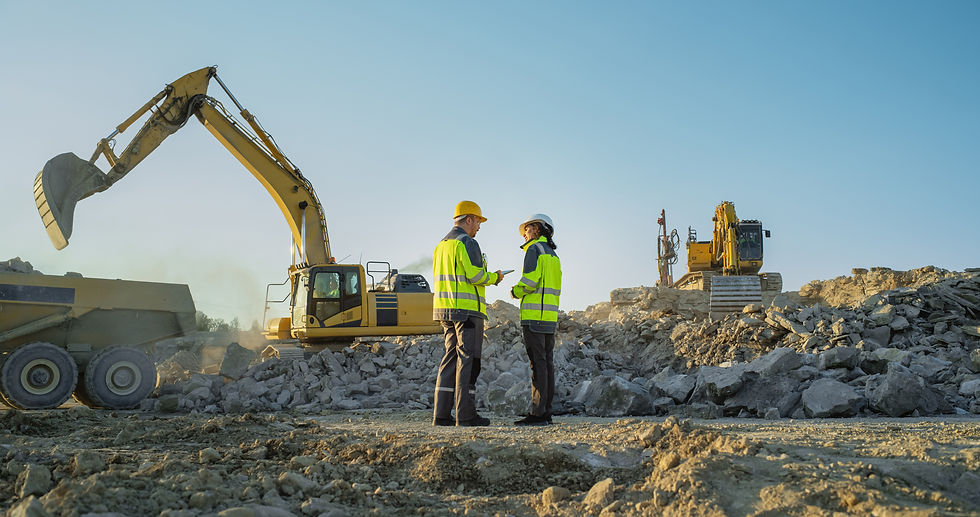
Successful Earthwork Supervision needs both technical expertise and effective planning and communication skills. The project requires regular site inspections which help detect problems at an early stage and confirm that all work meets project requirements.
Documentation of earthwork activities needs to be maintained as clear records because they help track work progress while providing evidence of completed tasks. This process requires the documentation of compaction results and grading measurements and the tracking of material usage.
Supervisors and engineers need to maintain active communication with contractors as their interaction helps reduce risks. Through coordinated teamwork all team members can achieve project objectives while ensuring compliance with safety standards.
Supervision accuracy and efficiency can be enhanced through the implementation of GPS grading systems and soil testing equipment which represent modern technological advancements.
Final Thoughts on Earthwork Supervision for Safe Construction
The successful execution of construction projects depends on effective Earthwork Supervision as its essential element. The procedure guarantees that site preparation work proceeds with safe execution and precise results which meet engineering requirements.
Proper supervision delivers advantages that last through time because it enhances safety and project quality while decreasing expenses and creating strong foundations for both minor and major building projects. Professional oversight during earthwork activities enables construction teams to build stable structures which maintain their durability and reliability throughout time.


Comments