


How To Choose The Best Concreters For Your Project

Are you planning a new driveway, patio, or perhaps a complete home renovation that involves concrete work? Have you ever wondered what separates a quality concreting job from one that cracks and crumbles within months? Choosing the right concreter can feel overwhelming, especially when you're faced with dozens of options and varying price quotes.
Finding a reliable concreter is one of the most important decisions you'll make for any construction project. Concrete work forms the foundation of countless home improvements, from simple garden paths to complex structural elements. Get it wrong, and you could be looking at costly repairs, safety hazards, and endless frustration down the track.
In this guide, we'll walk you through everything you need to know about selecting the best concreter for your project. You'll learn what concreters actually do, how much you should expect to pay, and the essential questions to ask before signing any contracts. Plus, we'll cover the red flags to watch out for and common mistakes that homeowners often make. By the end, you'll feel confident making an informed decision that protects both your property and your wallet.
What Does A Concreter Actually Do?
Understanding The Scope Of Concreting Services
Concreters are skilled tradespeople who specialise in working with concrete from start to finish. Their expertise covers everything from site preparation and formwork construction to pouring, levelling, and finishing concrete surfaces. They understand the chemistry behind concrete mixtures and know how to achieve the right consistency for different applications.
A professional concreter handles the entire process, including excavation, reinforcement placement, and ensuring proper drainage. They also manage the curing process, which is critical for long-lasting results. What's more, many concreters offer decorative finishes like exposed aggregate, stamped patterns, and coloured concrete.
Types Of Concrete Projects: Residential Vs Commercial
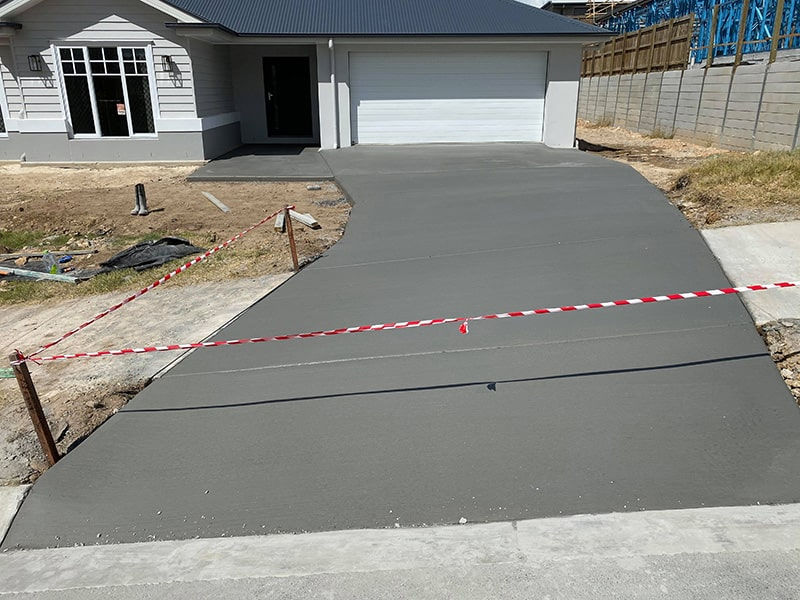
Residential projects typically include driveways, patios, pool surrounds, footpaths, and garage floors. These jobs require attention to aesthetic detail since they're visible parts of your home. Commercial projects, on the other hand, often involve larger-scale work like warehouse floors, car parks, and industrial slabs.
The complexity varies significantly between residential and commercial work. Commercial concreters need additional equipment and experience handling high-volume pours. When hiring, make sure your chosen concreter has relevant experience in your specific project type.
What Should I Look for When Hiring a Concreter?
Essential Qualifications and Licensing Requirements
In Australia, licensing requirements vary by state, but all professional concreters should hold relevant qualifications. Look for Certificate III in Concreting as a minimum standard. This ensures they've completed proper training and understand industry best practices.
Beyond formal qualifications, membership in industry associations like Master Builders Australia demonstrates commitment to professional standards. These organisations often require members to maintain certain quality benchmarks.
Experience and Portfolio of Previous Work
Experience speaks volumes in the concreting trade. Ask how long they've been operating and request examples of completed projects similar to yours. A reputable concreter will happily show off their work through photos or even provide addresses of past jobs you can drive by.
Pay attention to the variety and quality of their portfolio. Look for clean edges, smooth finishes, and consistent colouring in their previous work. This gives you a realistic preview of what to expect.
Insurance and Warranty Coverage
Never hire a concreter without proper insurance coverage. Public liability insurance protects you if something goes wrong during the project. Workers' compensation insurance is equally important, covering any injuries that occur on your property.
Ask about warranty periods too. Quality concreters stand behind their work with guarantees, typically ranging from two to seven years depending on the project type.
How Do I Know If a Concreter Is Reliable?
Checking Online Reviews and Testimonials
Online reviews provide valuable insights into a concreter's reliability and work quality. Check Google Reviews, Facebook recommendations, and industry-specific platforms like Hipages or Service Seeking. Look for patterns in feedback rather than focusing on individual comments.
Pay attention to how concreters respond to negative reviews. Professional responses that address concerns demonstrate accountability and customer service commitment.
Asking for References from Past Clients
Don't hesitate to request references from recent clients. Speaking directly with previous customers gives you unfiltered feedback about their experience. Ask about communication, timeliness, cleanliness, and whether the final result met expectations.
A confident concreter will readily provide references. Reluctance to share contact details should raise concerns.
Red Flags to Watch Out For
Be wary of concreters who demand large upfront deposits, typically anything over 10-20% is excessive. Avoid those who can't provide written quotes or seem vague about timelines. Pressure tactics pushing you to sign immediately are another warning sign.
Missing or unverifiable insurance details, no fixed business address, and reluctance to put agreements in writing all suggest potential problems. Trust your instincts—if something feels off, it probably is.
Questions to Ask Before Hiring a Concreter
Key Questions About Timelines and Availability
Ask when they can start and how long the project will take. Enquire about their current workload and whether weather delays are factored into timelines. Understanding their schedule helps you plan accordingly.
Find out who will actually be doing the work. Some contractors subcontract jobs, which can affect quality consistency.
Questions About Materials and Finishes
Discuss concrete mix specifications and whether they're appropriate for your project's requirements. Ask about reinforcement options and drainage solutions. For decorative finishes, request samples so you know exactly what you're getting.
Understanding the Contract Terms
Review payment schedules, variation procedures, and dispute resolution processes before signing anything. Ensure the contract includes project specifications, start and completion dates, and warranty details.
Do Concreters Need to Be Licensed in Australia?
State-by-State Licensing Requirements
Licensing requirements differ across Australian states. In New South Wales, concreters need a licence for work valued over $5,000. Queensland requires licensing for all structural concrete work. Victoria and other states have their own specific regulations.
How to Verify a Concreter's Credentials
Each state maintains online databases where you can verify licence details. Check the relevant state authority website—Fair Trading NSW, QBCC in Queensland, or equivalent bodies elsewhere. Verification takes just minutes and provides peace of mind.
Common Mistakes to Avoid When Choosing a Concreter
Many homeowners rush decisions based solely on price, ignoring experience and reviews. Others skip written contracts, leaving themselves vulnerable if disputes arise. Failing to check credentials and insurance is another frequent error.
Don't overlook the importance of clear communication either. Misunderstandings about finishes, timelines, or costs cause countless project headaches.
Making Your Final Decision with Confidence
Choosing the right concreters requires balancing multiple factors—experience, pricing, reliability, and credentials. Take your time researching options, gathering quotes, and checking references. The effort you invest now pays dividends in quality results that last decades.
Remember, concrete work is a significant investment in your property. A well-executed job adds value and functionality, while poor work creates ongoing problems. Trust qualified professionals who communicate clearly and stand behind their workmanship.
Armed with the knowledge from this guide, you're ready to make an informed choice. Start by requesting quotes from licensed concreters in your area, ask the right questions, and don't settle for anything less than professional service. Your perfect concrete project awaits!


Comments