


How To Unclog A Blocked Shower Drain Effectively

Ever stepped into your shower looking forward to a refreshing experience only to find yourself standing ankle-deep in water? A blocked shower drain can turn a soothing shower into a frustrating ordeal. But what causes this blockage, and how can you fix it? More importantly, how can you prevent it from happening again? This guide will answer these questions and provide practical solutions to keep your shower drain running smoothly.
1. Understanding The Causes Of A Blocked Shower Drain
Blocked shower drain is a common household issue, but understanding the cause is the first step in effectively addressing the problem. The most typical culprits are hair, soap scum, and hard water deposits. Over time, these materials accumulate and form a stubborn blockage.
- Hair: As you wash your hair, strands inevitably fall out and get washed down the drain. Hair is notorious for tangling and sticking to the walls of the pipes, creating a net that traps other particles.
- Soap Scum: The residue from soap can mix with hair and dirt, creating a thick, sticky substance that adheres to the pipe walls.
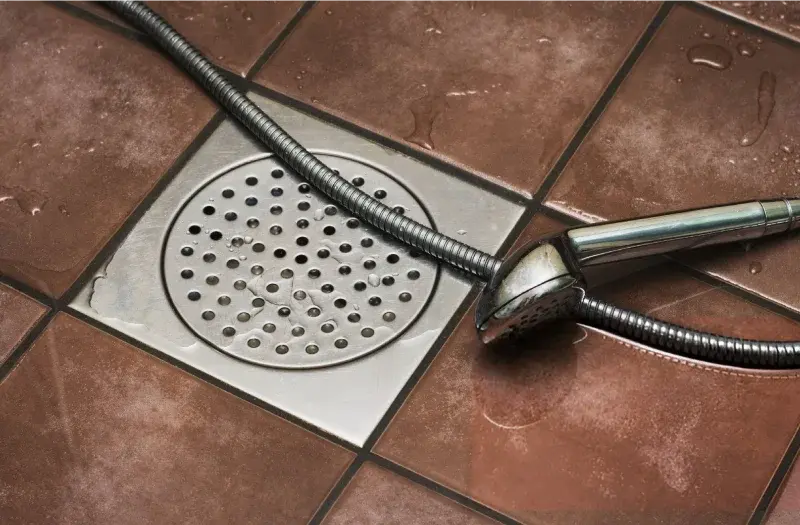
- Hard Water Deposits: Minerals in hard water can build up over time, narrowing the pipe's diameter and slowing the drainage process.
Understanding these causes can help you choose the right method to tackle the blockage.
2. Signs Your Shower Drain Is Blocked
Recognizing the signs of a blocked shower drain early can help you take action before the problem worsens. Here are some common indicators:
- Slow Draining Water: If water is pooling around your feet during a shower, it's a clear sign that your drain is partially blocked.
- Unpleasant Odors: A foul smell emanating from the drain can indicate trapped debris that's beginning to decompose.
- Gurgling Sounds: Odd noises from your pipes can suggest air trapped due to a blockage.
- Water Backup: If water backs up into your shower when you use other drains, it's a serious sign that you might have a major blockage in your plumbing system.
Addressing these signs promptly can prevent more severe plumbing issues down the line.
3. Diy Methods To Unclog A Shower Drain
Before you reach for the phone to call a plumber, consider trying some DIY methods to unclog your shower drain. Here are a few effective techniques:
3.1. Baking Soda And Vinegar
A natural and eco-friendly solution, the chemical reaction between baking soda and vinegar can help break down minor clogs.
- Pour a cup of baking soda down the drain.
- Follow with a cup of vinegar.
- Let the mixture fizz for 15-30 minutes.
- Rinse with hot water.
3.2. Plunger
A plunger can be surprisingly effective for shower drains.
- Ensure there's enough water in the shower to cover the plunger's bell.
- Place the plunger over the drain and pump vigorously.
- Check if the water drains away.
3.3. Drain Snake
For more stubborn blockages, a drain snake can reach further into the pipes.
- Insert the snake into the drain until you feel resistance.
- Rotate the handle to break up the blockage.
- Pull the snake out and dispose of any debris.
These methods can often resolve the issue without the need for professional intervention.
4. When To Call A Professional
While DIY methods are effective for minor clogs, there are situations where professional help is necessary:
- Persistent Blockages: If you've tried multiple methods and the drain is still blocked, a professional plumber can provide a more powerful solution.
- Frequent Clogging: Recurring blockages might indicate a deeper issue in your plumbing system that requires expert attention.
- Water Damage: If a blocked drain has led to leaks or water damage, it's crucial to address both the blockage and the resulting damage promptly.
Plumbers have specialized tools and expertise that can diagnose and resolve complex drainage issues efficiently.
5. Preventive Measures To Avoid Future Blockages
Prevention is always better than cure, and there are several ways to reduce the risk of a blocked shower drain:
- Install a Drain Cover: Mesh drain covers can catch hair and larger debris, preventing them from entering the drain.
- Regular Cleaning: Periodically clean your drain cover and use a mixture of hot water and vinegar to flush the pipes.
- Mind What Goes Down the Drain: Be mindful of what you allow to wash down the drain—avoid letting large amounts of hair or soap residues build up.
Implementing these measures can save you time and money by reducing the frequency of blockages.
Conclusion
Blocked shower drain is a nuisance, but with the right knowledge and tools, they can be effectively managed. By understanding the causes and recognizing the signs, you can take timely action. DIY methods often suffice, but don't hesitate to seek professional help for persistent issues. By adopting preventive measures, you can keep your shower drain clear and enjoy a hassle-free shower experience. Remember, a little maintenance goes a long way in preventing plumbing headaches down the line.


Comments