


What Are Portable Medical Privacy Screens?

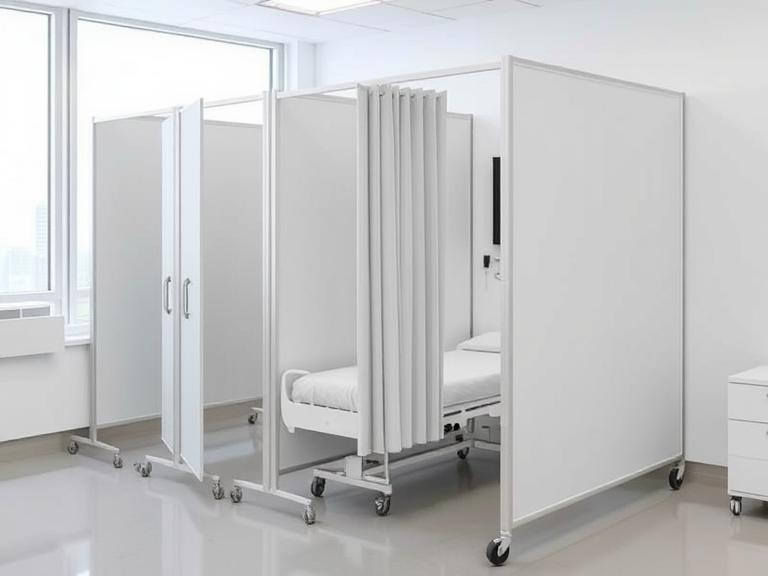
Portable medical privacy screens are lightweight, fold-able partitions that can be moved quickly from one area of a health-care facility to another. They are built with sturdy frames, often made of aluminium or reinforced plastic, and covered with fabric or vinyl that can be cleaned with standard disinfectants. The screens usually include lockable wheels, quick-release hinges, and optional accessories such as pockets for charts or hooks for equipment. Because they are designed for easy transport, staff can set up a private space in a hallway, a ward, or a temporary clinic in just a few seconds.
Why They Matter in Australian Healthcare
Regulatory Drivers
Australian health-care regulations, including the Australian Commission on Safety and Quality in Health Care (ACSQHC) guidelines, require that patient confidentiality be protected at all times. The Privacy Act 1988 and the Health Records Act in each state set clear expectations for physical privacy in clinical settings. Portable medical privacy screens help hospitals meet these legal obligations without the need for permanent walls, especially in emergency departments and pop-up vaccination centres that have to adapt quickly to changing demand.
Patient Comfort and Cultural Expectations
Australian patients value dignity and personal space, particularly in multicultural communities where modesty norms can vary widely. A portable screen creates a quiet, private area for consultations, examinations, or conversations about sensitive health issues. This simple visual barrier can reduce anxiety, improve communication, and increase overall satisfaction with the care experience.
Key Benefits for Hospitals
Flexibility – screens can be re-configured for new wards, surge capacity, or community outreach events.
Speed – set-up and take-down take seconds, saving staff time during busy periods.
Cost-effectiveness – one screen can replace several fixed partitions, lowering capital expenditure.
Infection control – smooth, wipe-down surfaces meet Australian hygiene standards.
Space optimisation – screens can be stacked or stored compactly when not in use.
Choosing the Right Screen for Australian Settings
Material and Cleanability
In Australia’s varied climate, from tropical north to temperate south, screens must withstand humidity, dust, and occasional heat. Vinyl-coated fabric or medical-grade polyester offers durability and easy cleaning with chlorine-based disinfectants approved by the Therapeutic Goods Administration (TGA). Look for screens with antimicrobial treatments that meet the Australian Standard AS 4819 for infection control.
Mobility and Space Management
Hospitals with limited floor space benefit from screens that fold flat and have lockable casters. A width of 120 cm and a height of 180 cm fit most bedside and hallway configurations while still providing a clear visual barrier. Some models include a telescopic pole that can be adjusted to different heights, useful for paediatric or geriatric wards.
Compliance with Australian Standards
When selecting portable medical privacy screens, verify that they comply with the Australian Standard AS/NZS 1851 for fire safety and AS/NZS 3666 for indoor air quality. Screens that are fire-retardant and have low VOC emissions help hospitals meet building codes and environmental health requirements.
Top Australian Providers and Competitors
HealthGuard Australia – offers a range of lockable-wheel screens with antimicrobial fabric.
MedEquip Solutions – supplies modular screen systems that can be linked to create larger private zones.
Australian Medical Supplies – focuses on budget-friendly vinyl screens for community clinics.
National Health Products – provides custom-size screens for large hospitals and remote health outposts.
Implementation Tips for Hospitals
Planning the Layout
Start by mapping high-traffic areas where privacy is most needed, such as triage desks, chemotherapy infusion rooms, and mental-health counselling spaces. Use a simple floor-plan tool to test different screen placements and ensure that emergency exits remain clear. Remember to keep a spare set of screens on hand for surge events like flu season or natural-disaster response.
Training Staff
Provide a short training session for nurses, doctors, and cleaning crews on how to fold, lock, and disinfect the screens correctly. Emphasise the importance of checking wheel locks before moving a screen and of inspecting the fabric for tears after each use. A quick reference card placed on the screen frame can reinforce best practices.
Maintaining Hygiene
Follow a regular cleaning schedule that aligns with the hospital’s infection-control protocol. In most Australian facilities, screens should be wiped down after each patient encounter using a 0.5 % chlorine solution or an approved hospital-grade disinfectant. For high-risk areas, consider a twice-daily deep clean and a routine inspection for wear and tear.
Questions and Answers: Common Questions About portable medical privacy screens in Australia
Q1: Are portable medical privacy screens compliant with the Australian Privacy Act? Yes. The screens provide a physical barrier that helps protect patient information during face-to-face conversations, supporting the privacy requirements set out in the Privacy Act 1988.
Q2: How often should the screens be disinfected in a busy emergency department? In a high-traffic emergency department, screens should be wiped down after each patient use and again at the end of each shift. This aligns with the ACSQHC infection-control recommendations.
Q3: Can portable medical privacy screens be used outdoors for community health clinics? Yes, screens made from UV-stable vinyl or polyester can be placed in shaded outdoor tents. Ensure the frame is rust-resistant and that the screen is stored in a dry location when not in use.
Q4: What are the fire-safety requirements for these screens in Australian hospitals? Screens must meet AS/NZS 1851 for fire retardancy. Look for a label that indicates the screen has passed the required fire-resistance test.
Q5: Are there any tax incentives for hospitals that purchase portable medical privacy screens? Some state health-funding programs offer rebates for equipment that improves patient safety and infection control. Check with the local health department for specific grant eligibility.
Conclusion: Your Path to a Successful portable medical privacy screens in Australia
Portable medical privacy screens are becoming a key part of modern Australian hospitals because they combine flexibility, speed, and compliance with local regulations. By choosing screens that meet Australian standards, training staff on proper use, and keeping a regular cleaning routine, health-care providers can protect patient dignity, meet legal obligations, and respond quickly to changing demand. Start by assessing your facility’s privacy gaps, select a reputable Australian supplier, and implement a simple rollout plan. With these steps, your hospital will be ready to deliver safe, respectful care while staying within budget and regulatory expectations.


Comments